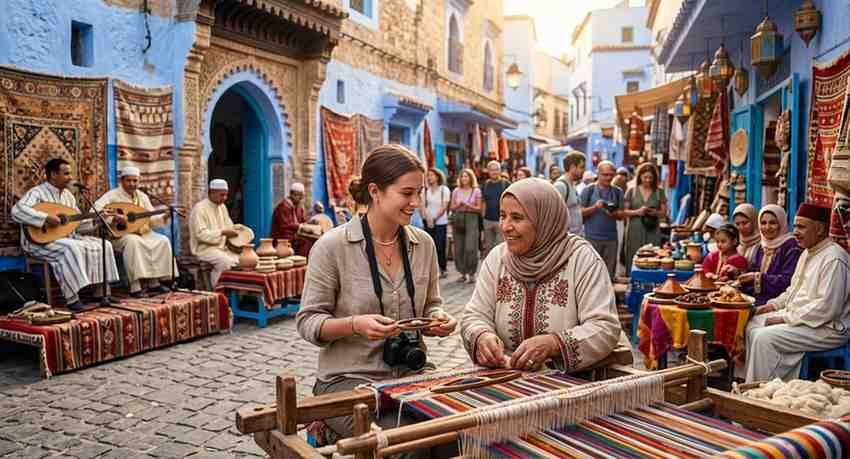
Travel has always been about discovering new places, but modern travelers are increasingly looking for something deeper than sightseeing. They want meaningful experiences, genuine connections, and a better understanding of the communities they visit.
This growing interest has given rise to cultural tourism—a form of travel focused on exploring local traditions, heritage, customs, art, food, and ways of life.
Cultural tourism transforms travel from simply observing a place into actively engaging with its stories, traditions, and people.
— The essence of meaningful travel experiences
Unlike traditional tourism, which often focuses on famous landmarks and attractions, cultural tourism allows visitors to experience the heart of a destination through the stories, practices, and people that make it unique.
What Is Cultural Tourism?
Cultural tourism is the practice of traveling to experience the cultural heritage and lifestyle of a particular region or community.
It includes activities such as:
- Visiting historical sites and museums
- Participating in traditional festivals
- Learning local crafts and skills
- Exploring regional cuisine
- Attending music, dance, and art performances
- Staying with local families or communities
- Understanding indigenous traditions
The goal of cultural tourism is not just to see a destination but to understand its identity and history.
Why Cultural Tourism Matters
Cultural tourism benefits both travelers and local communities. For visitors, it creates opportunities for authentic experiences and personal growth. For communities, it helps preserve traditions, support local economies, and share cultural knowledge with the world.
Preserving Cultural Heritage
Many traditional practices, languages, crafts, and celebrations face the risk of disappearing due to globalization. Cultural tourism can help keep these traditions alive by creating demand for local knowledge and skills.
When travelers support local artisans, attend cultural events, or participate in traditional activities, they contribute to the preservation of heritage.
Supporting Local Communities
Cultural tourism provides economic opportunities for local residents. Instead of profits going only to large tourism companies, travelers can support:
- Family-owned restaurants
- Local guides
- Traditional artists
- Small businesses
- Community-based tourism projects
This creates a more sustainable tourism model where communities directly benefit from visitors.
Building Cross-Cultural Understanding
Traveling through culture helps people move beyond stereotypes. By interacting with local communities, travelers gain insight into different values, histories, and perspectives.
Cultural exchange encourages respect, empathy, and appreciation for global diversity.
Ways Travelers Can Experience Authentic Local Traditions
1. Participate in Local Festivals and Celebrations
Festivals are among the best ways to experience a community’s traditions. They often bring together music, food, rituals, clothing, and storytelling.
Examples of cultural celebrations around the world include:
- Religious festivals
- Harvest celebrations
- Traditional dance events
- Historical commemorations
- Local arts festivals
Instead of simply watching from a distance, travelers can often participate in activities, learn the meaning behind traditions, and connect with local people.
2. Explore Traditional Cuisine
Food is one of the strongest expressions of culture. Every dish tells a story about a region’s history, environment, and traditions.
Travelers can experience authentic cuisine by:
- Eating at family-run restaurants
- Visiting local markets
- Taking cooking classes
- Learning traditional recipes
- Sharing meals with local families
A homemade meal often reveals more about a culture than a restaurant designed only for tourists.
3. Learn Traditional Crafts and Skills
Handmade crafts reflect generations of creativity and cultural knowledge. Many communities preserve their identity through traditional skills such as:
- Pottery
- Weaving
- Wood carving
- Jewelry making
- Textile production
- Painting
Participating in workshops allows travelers to learn directly from skilled artisans while supporting their work.
4. Stay in Local Communities
Community-based tourism offers travelers a chance to experience everyday life rather than only visiting popular attractions.
Options may include:
- Homestays
- Village tourism programs
- Farm stays
- Cultural exchange experiences
Living with local families allows visitors to understand daily routines, traditions, and values from a personal perspective.
5. Hire Local Guides
Local guides provide knowledge that cannot always be found in guidebooks. They can explain historical events, cultural meanings, and hidden stories behind places.
A local guide can help travelers:
- Discover lesser-known locations
- Understand traditions respectfully
- Communicate with residents
- Avoid cultural misunderstandings
6. Visit Historical and Cultural Sites
Museums, monuments, ancient cities, and heritage sites provide important connections to the past.
However, cultural tourism is not only about famous landmarks. Small villages, local neighborhoods, and everyday spaces can reveal equally meaningful stories.
Practicing Responsible Cultural Tourism
Authentic cultural experiences require respect. Travelers should remember that cultures are not entertainment—they are living traditions belonging to real communities.
Respect Local Customs
Before visiting a new destination, travelers should learn about:
- Appropriate clothing
- Religious practices
- Social etiquette
- Photography rules
- Local expectations
Respectful behavior creates positive interactions and meaningful connections.
Avoid Turning Traditions Into Performances
Some cultural experiences are designed only for tourists and may not represent authentic practices. Travelers should seek experiences led by local communities rather than commercialized attractions that exploit traditions.
Support Ethical Tourism Businesses
Choosing locally owned businesses helps ensure tourism benefits the people who preserve the culture.
- Buy authentic handmade products.
- Eat local food.
- Book local experiences.
- Avoid counterfeit souvenirs.
Technology and the Future of Cultural Tourism
Technology is changing how travelers discover and experience cultures. Digital tools now help people explore heritage sites, learn languages, and connect with communities.
Modern cultural tourism trends include:
- Virtual museum experiences
- Digital cultural archives
- Online storytelling platforms
- Mobile travel guides
- Augmented reality heritage tours
While technology improves access, physical travel remains valuable because genuine human connections cannot be fully replaced by digital experiences.
Examples of Meaningful Cultural Tourism Experiences
Around the world, travelers can discover unique traditions through experiences such as:
- Learning traditional cooking techniques in local homes
- Joining indigenous storytelling sessions
- Participating in traditional craft workshops
- Exploring historic neighborhoods with community guides
- Attending regional music and dance performances
- Visiting local farms and learning agricultural traditions
These experiences create memories that go beyond photographs—they create understanding.
The Future of Cultural Tourism
As travelers become more conscious of sustainability and authenticity, cultural tourism is expected to continue growing.
Future travelers will likely prioritize experiences that are:
- Community-focused
- Environmentally responsible
- Educational
- Respectful of local traditions
- Personally meaningful
Conclusion
Cultural tourism offers a powerful way to explore the world through human connection, tradition, and shared experiences. It allows travelers to move beyond ordinary sightseeing and discover the stories, values, and creativity of different communities.
By participating respectfully in local traditions, supporting community-based businesses, and approaching new cultures with curiosity, travelers can create meaningful experiences while helping preserve global heritage.
The most memorable journeys are often not defined by the places we visit, but by the people we meet and the cultures we come to understand.