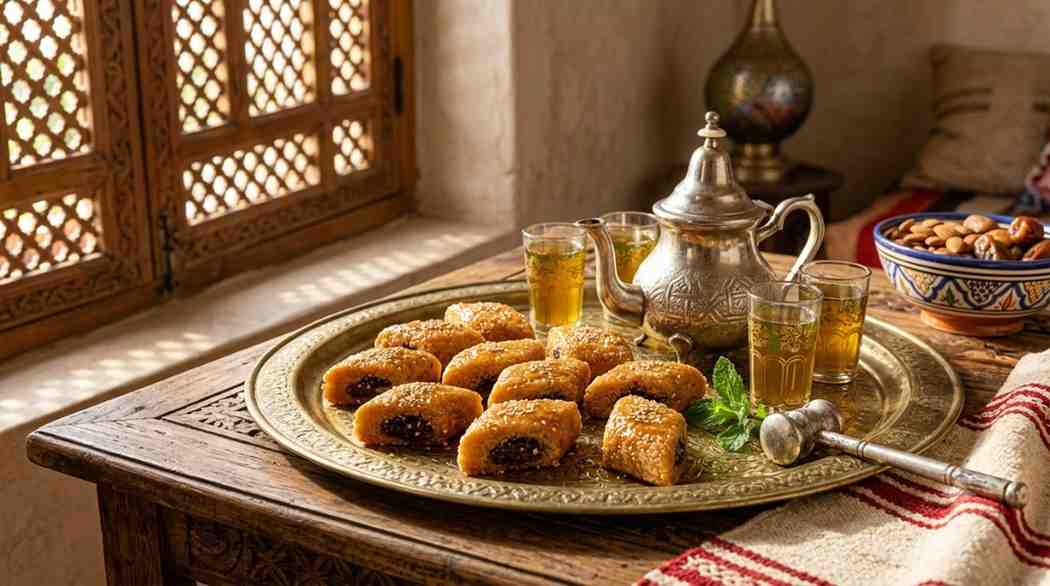
Across the sun-drenched landscapes of North Africa, food is more than just nourishment—it is a reflection of history, identity, and community. Among the many culinary treasures of the region, Makroud stands out as a beloved traditional pastry that carries centuries of cultural heritage.
Known for its distinctive diamond shape, rich date filling, and fragrant blend of spices, Makroud is not only a dessert but also a symbol of celebration, hospitality, and family traditions.
The Origins of Makroud
Makroud (also spelled Makrout or Maqrout) is a traditional North African pastry with deep roots in the Maghreb region, particularly in Tunisia, Algeria, and Libya. Its exact origins are debated, but many food historians associate it with the ancient culinary traditions of the Amazigh (Berber) and Arab communities that have shaped North Africa over centuries.
The pastry became especially popular in Tunisia, where the city of Kairouan is often considered one of the most important centers for Makroud-making. Over generations, families have preserved their own recipes, passing techniques and secrets from mothers and grandmothers to younger generations.
Makroud is more than a pastry—it is a taste of North African heritage, tradition, and togetherness.
— A symbol of Maghreb culinary culture
The name “Makroud” is believed to come from the Arabic word meaning “diamond-shaped” or “patterned,” referring to the pastry’s characteristic cut. This shape has become one of its most recognizable features.
What Makes Makroud Special?
Makroud is traditionally made with a few simple but meaningful ingredients:
- Semolina dough: The foundation of the pastry, giving it a slightly grainy yet tender texture.
- Date paste: A sweet filling often flavored with cinnamon, cloves, orange blossom water, or other aromatic spices.
- Olive oil or butter: Used to enrich the dough.
- Honey or syrup: Added after frying or baking to create a glossy, sweet finish.
The preparation process requires patience and skill. The semolina dough is shaped into long rolls, filled with a strip of date paste, and then pressed into its signature diamond pattern before being sliced.
Traditionally, Makroud is fried until golden and then soaked in warm honey syrup, although baked versions are also enjoyed today. The combination of nutty semolina, sweet dates, and floral aromas creates a pastry that is both comforting and deeply connected to North African flavors.
Makroud Across North Africa
Although Makroud is enjoyed throughout the Maghreb, each region has developed its own unique style.
Tunisian Makroud
Tunisian Makroud is perhaps the most internationally recognized version. The Kairouan style is especially famous for its careful preparation and generous use of date filling. It is commonly served during religious holidays, weddings, and family gatherings.
Algerian Makrout
In Algeria, Makrout is a popular pastry prepared for celebrations such as Eid al-Fitr and weddings. Different regions may add variations, including different fillings, spices, or cooking methods. Some versions are baked rather than fried, offering a lighter texture.
Libyan Makroud
Libyan variations often reflect local tastes and ingredients, sometimes incorporating different sweeteners and flavorings while maintaining the pastry’s essential semolina and date-based identity.
The Cultural Significance of Makroud
Makroud represents much more than a sweet treat. In North African societies, preparing and sharing food is a way of strengthening relationships, honoring guests, and preserving cultural memory.
A Symbol of Celebration
Makroud frequently appears during important occasions, including:
- Eid celebrations
- Weddings
- Religious festivals
- Family reunions
- Community gatherings
Making large quantities of Makroud for special events is often a collective activity, bringing family members together in the kitchen. The process itself becomes part of the celebration.
A Connection Between Generations
Traditional recipes are often passed down orally, with younger generations learning by watching older family members prepare the pastry. Through these shared moments, Makroud becomes a link between the past and present.
A grandmother’s method of shaping the dough, choosing the right spices, or preparing the syrup can become a treasured family tradition. Every batch carries memories and stories.
A Gesture of Hospitality
Hospitality holds great importance in North African culture, and offering sweets to guests is a sign of warmth and generosity. Makroud is often served alongside tea or coffee when welcoming visitors, representing kindness and respect.
Makroud in Modern Times
Today, Makroud has moved beyond home kitchens and local markets to become an ambassador of North African cuisine around the world. North African bakeries, restaurants, and cultural festivals introduce new audiences to this traditional pastry.
Modern chefs have also experimented with Makroud by creating variations with different fillings, baking methods, and presentations. While these innovations continue to evolve, the heart of Makroud remains unchanged: a celebration of heritage, craftsmanship, and community.
Why Makroud Matters
In a rapidly changing world, traditional foods like Makroud serve as reminders of cultural roots. They preserve stories that cannot always be written in books—stories of families, migrations, celebrations, and shared experiences.
- Preserves centuries of culinary knowledge.
- Connects communities with their cultural identity.
- Reflects the natural ingredients of North Africa.
- Strengthens family and social bonds.
- Celebrates generosity and tradition.
Conclusion
Makroud is not just a dessert—it is a piece of North African history served on a plate. From the streets of Kairouan to family kitchens across the Maghreb, this diamond-shaped pastry continues to bring people together through its flavors and traditions.
Whether enjoyed during a festival, shared with guests, or prepared as a family ritual, Makroud represents the enduring power of food to preserve identity and connect generations.
Its sweetness comes not only from dates and honey but also from the memories and cultural stories woven into every bite.