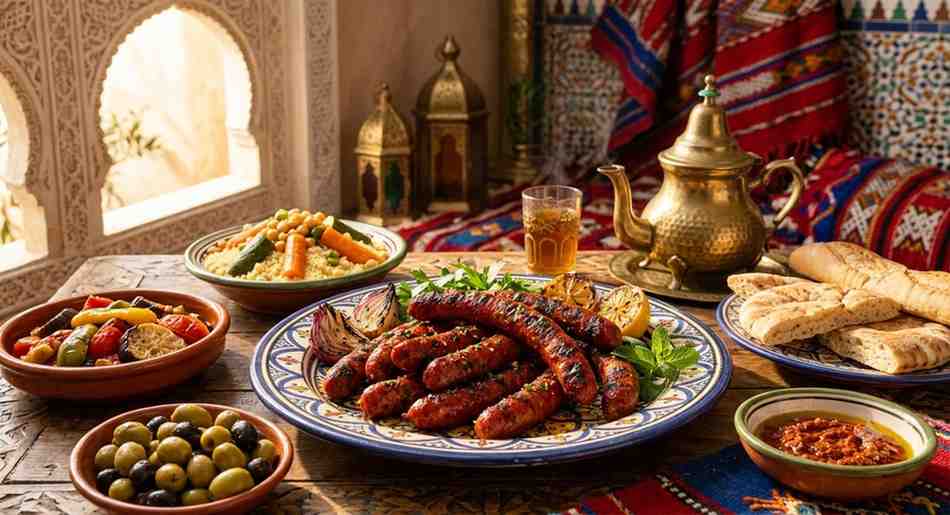
Food is one of the most powerful ways to discover a culture’s history, traditions, and identity. Across North Africa, few foods represent the region’s rich culinary heritage as beautifully as Merguez—a spicy, aromatic sausage known for its bold flavors, vibrant color, and deep cultural roots.
Made primarily from lamb, beef, or a combination of both, Merguez has become a beloved ingredient not only throughout North Africa but also around the world.
Merguez is more than a sausage—it is a taste of North African history, tradition, and community.
— A culinary symbol of the Maghreb
Its unique blend of spices, traditional preparation methods, and connection to family gatherings make it much more than a simple sausage. It is a symbol of North African cuisine and a reflection of the region’s diverse history.
The Origins of Merguez
Merguez (also spelled merguez or merguez sausage) originated in the Maghreb region of North Africa, particularly in countries such as Tunisia, Algeria, and Morocco.
The sausage has been part of North African culinary traditions for centuries, influenced by the region’s Amazigh (Berber), Arab, and Mediterranean cultures.
The name “Merguez” is believed to come from the Berber word “amergaz,” meaning “sausage” or “a type of preserved meat.” Over time, the dish became a staple in local markets, homes, and celebrations throughout North Africa.
Historically, Merguez was created as a practical way to preserve and flavor meat in warm climates. The addition of spices not only enhanced the taste but also helped create a distinctive food tradition that could be enjoyed during everyday meals and special occasions.
What Makes Merguez Unique?
Merguez stands apart from other sausages because of its powerful combination of spices and ingredients.
Traditional Ingredients
The classic Merguez sausage typically includes:
- Ground lamb or beef: The main protein, often chosen for its rich flavor.
- Harissa or chili peppers: Adds the signature spicy heat.
- Paprika: Gives the sausage its deep red color and smoky flavor.
- Garlic: Provides a strong aromatic base.
- Cumin and coriander: Add earthy, warm notes.
- Fennel or caraway seeds: Contribute a unique fragrance.
- Salt and olive oil: Enhance the overall flavor.
The exact recipe varies between families and regions, with many cooks adding their own spice combinations and preparation techniques.
The Flavor Profile of Merguez
Merguez is famous for its bold and complex taste. Unlike mild sausages, it delivers a combination of:
- Spicy heat from chili peppers
- Smoky sweetness from paprika
- Earthy warmth from cumin
- Fresh aroma from garlic and herbs
- Rich flavor from lamb or beef
The result is a sausage that is both intense and balanced. Its deep red appearance reflects the generous use of spices that define North African cooking.
Merguez Across North Africa
Although Merguez is widely associated with the Maghreb, each country has its own approach to preparing and serving it.
Tunisian Merguez
In Tunisia, Merguez is strongly connected with the country’s love of spicy food. It is often prepared with generous amounts of chili and served in sandwiches, couscous dishes, or alongside vegetables.
Tunisian Merguez is also closely linked with the use of harissa, a famous North African chili paste that gives many local dishes their distinctive flavor.
Algerian Merguez
In Algeria, Merguez is a popular street food and family favorite. It is commonly grilled and served during gatherings, celebrations, and outdoor meals.
It is often paired with bread, salads, potatoes, or traditional dishes that highlight its rich flavor.
Moroccan Merguez
In Morocco, Merguez is enjoyed in various ways, including grilled preparations and mixed dishes. It complements the country’s famous spice traditions and is often included in meals shared with family and guests.
How Merguez Is Traditionally Prepared
Traditional Merguez-making is a craft passed down through generations.
The process generally involves:
- Selecting quality meat, usually lamb or beef.
- Grinding the meat to the desired texture.
- Mixing the meat with spices, garlic, and seasonings.
- Stuffing the mixture into natural casings.
- Allowing the flavors to develop before cooking.
Traditionally, Merguez is prepared fresh rather than heavily preserved. The careful balance of spices is considered the heart of the recipe.
Popular Ways to Enjoy Merguez
Grilled Merguez
One of the most popular methods is grilling. The heat creates a slightly crispy exterior while keeping the inside juicy and flavorful.
Grilled Merguez is often served with:
- Fresh bread
- Salads
- Roasted vegetables
- Sauces
- Pickles
Merguez with Couscous
Couscous is one of North Africa’s most iconic dishes, and Merguez is often paired with it to create a rich and satisfying meal.
The spicy sausage adds depth to the mild grains and absorbs the flavors of vegetables, broth, and spices.
Merguez Sandwiches
In many cities, Merguez sandwiches are a popular street food. The sausage is placed inside bread and combined with sauces, vegetables, or spicy condiments.
This simple combination has become a favorite among food lovers around the world.
Merguez in Modern Cuisine
Chefs today use Merguez in creative ways, incorporating it into:
- Pasta dishes
- Pizza toppings
- Breakfast meals
- Rice dishes
- Fusion recipes
Its distinctive flavor makes it an exciting ingredient beyond traditional North African cooking.
The Cultural Importance of Merguez
Merguez represents more than flavor—it represents community, tradition, and identity.
A Food of Gatherings
Like many traditional foods, Merguez is often associated with social occasions. It appears at:
- Family celebrations
- Religious holidays
- Outdoor gatherings
- Festivals
- Community events
Preparing and sharing Merguez brings people together and strengthens cultural connections.
A Symbol of North African Identity
For many people from the Maghreb, Merguez represents home. Its aroma and flavor are closely connected with memories of family kitchens, local markets, and traditional celebrations.
As North African communities have migrated around the world, Merguez has traveled with them, introducing new audiences to the region’s culinary heritage.
Merguez and Global Popularity
Today, Merguez has gained recognition internationally. It can be found in restaurants, specialty food markets, and culinary festivals across Europe, North America, and beyond.
Its popularity reflects growing global interest in authentic regional foods and traditional cooking methods.
Tips for Appreciating Authentic Merguez
To experience Merguez at its best:
- Choose versions made with traditional spice blends.
- Look for high-quality meat and fresh preparation.
- Try it with traditional accompaniments such as bread, couscous, or salads.
- Learn about regional variations and stories behind the dish.
Food becomes more meaningful when we understand the culture behind it.
Conclusion
Merguez is more than a spicy sausage—it is a culinary symbol of North Africa’s history, creativity, and cultural diversity.
From its origins in the Maghreb to its popularity around the world, Merguez continues to represent the flavors and traditions of generations.
With its rich spices, distinctive aroma, and connection to community gatherings, Merguez offers a delicious reminder that food is not only about taste—it is about heritage, memory, and the stories shared around the table.